
Home -> Law Blog Directory -> Intellectual Property Law Blogs -> Seattle Trademark Lawyer
(866) 635-2689 for Personal Injury or (866) 635-9402 for Criminal Defense
Find a Local Lawyer
Divorce (866) 635-6190
Personal Injury (866) 635-2689
Criminal Defense (866) 635-9402

Intellectual Property Law
: Seattle Trademark LawyerUSDA's Organic Labeling Requirements Function as a Solid Certification Mark
By Michael Atkins

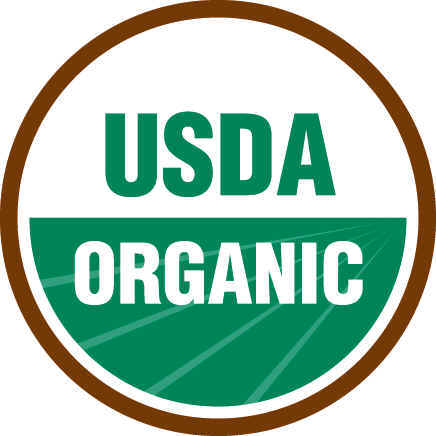 The SF Gate had a good article this weekend about the U.S. Department of Agriculture’s National Organic Program. The USDA ORGANIC seal functions as a certification mark, as only producers meeting the NOP’s specifications can use it in connection with their goods. But it’s food labeling law rather than trademark law that governs its use. Indeed, I couldn’t find the seal as a registered trademark anywhere.
According to the NOP, its labeling requirements apply to “raw, fresh products and processed products that contain organic agricultural ingredients.” In summary:
- Products labeled as “100 percent organic” must contain only organically produced ingredients and processing aids.
- Products labeled “Organic” must consist of at least 95 percent organically produced ingredients. Any remaining product ingredients must consist of approved nonagricultural substances approved.
- Processed products that contain at least 70 percent organic ingredients can use the phrase “made with organic ingredients.”
- Organic production and handling operations must meet certification standards to become accredited by USDA-accredited certifying agents. Applicants must submit information about their organic system plan, including their practices and substances used in production, record keeping procedures, and practices to prevent commingling of organic and non-organic products.
Persons who knowingly sell or label as organic a product that is not produced and handled in accordance with the NOP’s regulations are subject to a civil penalty of up to $11,000.
The SF Gate article says complying with NOP standards can be difficult, but those who do think it pays off. “It’s worth it to us,” said one organic producer, even though becoming USDA certified organic increases her costs by at least 50 percent. “We’re mission driven and committed to our No. 1 value: authentic organic.”
Though other certifying organizations exist, a Seattle-based consumer researcher said the USDA’s seal is the only one that counts. “The USDA symbol is the only one that mainstream consumers can recognize. It’s the most recognizable and credible symbol that would inspire consumers to try a new product in the organic non-food space. The other ones, they’re just noise.”
These folks don’t talk about labeling compliance in terms of trademark law. But they sure speak the language.
Full post as published by Seattle Trademark Lawyer on August 05, 2009 (boomark / email).
EB-1 and EB-2 Visa Status
Obtaining a Green Card Without Going Through the Labor Certification Process
Organic Eggs
Sold at Costco and Safeway Recalled
Native American Farmers, Ranchers and USDA Reach Historic Settlement
Native American Farmers, Ranchers and USDA Reach Historic Settlement
Mark Eagleson
$63,725 restitution settles fraud lawsuit.
Ford F-150 Recall
alleging a hose in the F-150 and Lincoln Mark LT pickup trucks could affect braking power.
Wrinkle-Fillers
FDA to Review Labeling due to Adverse Event Reports
Transdermal Drug Patches
Risk of Burns Missing From Some Labeling

#1 Online Legal Resource

On 08-25 at 15:46PM
Acute perpendicular parking #NYPD #NYFD
On 08-18 at 22:18PM
Parallel parking gone bad. Too much gas UES NYC
On 08-18 at 21:41PM
UES NYC
On 08-18 at 21:25PM
Twitter suspends journalist critical of broadcast partner's coverage on dubious grounds @guyadams #nbcfail #twitterfail
On 07-30 at 17:57PM
Model example of 1st Amendment suppression by the People of New York City's Michael Bloomberg #OWS #NYPD
On 07-12 at 21:07PM
AG Holder lackadaisical on Operation in our Sites domain name seizures & RIAA lobbied free speech suppression @dajaz1
On 06-08 at 22:44PM
Why is the Catholic Church going to court over Obama contraception policy? @NewYorker commentary
On 05-31 at 10:08AM
Monks sue Louisiana for right to sell caskets made from forrest destroyed by Katrina
On 05-31 at 07:47AM
Are the abortion ultrasound laws headed for the Supreme Court?
On 05-15 at 21:52PM


USDA: Proposed Rule on Organic Dairy Pasture Requirements
FTC Issues Federal Register Notice Regarding Labeling Requirements for Biodiesel Fuels
US Patent 7344691 - Manipulating carbon nanotubes with solid organic material
CPSC Delays Testing and Certification Requirements for Consumer Products
What 'Organic' Really Means Under the Law (Washington Post)


 |
|
Contact Us | About Us | Celebrity Law Blog |
Our Partners | Disclaimer
| Law Blog Directory
| Law Jobs
| Law Tweets
| Oil Spill Video
All original material © 1999-2011 by USLaw.com. All other material, including Blog Directory feed content, are © by their respective copyright holders. |