Home -> Law Blog Directory -> Legal News Blogs -> Fastcase Legal News
(866) 635-2689 for Personal Injury or (866) 635-9402 for Criminal Defense
Find a Local Lawyer
Divorce (866) 635-6190
Personal Injury (866) 635-2689
Criminal Defense (866) 635-9402

Legal News
: Fastcase Legal NewsWho Owns Your Genes?
By jlazarevic

Scientists and tech businesses are closely following a court ruling involving gene patents this month, after a United States district judge tossed out a Utah company?s patents for two genes linked to breast and ovarian cancer.
The case is drawing much attention because the judge?s ruling could impact thousands of other genes (roughly 20 percent) that have been patented.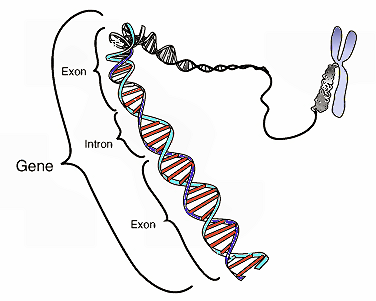
Facts and Ruling of the case: Plaintiffs – scientists and health advocates – sued Utah-based Myriad Genetics, which held patents for two genes, BRCA-1 and BRCA-2, linked to breast and ovarian cancers. The groups alleged that the patents were improper because the DNA was a natural substance in the human body. The federal judge sided with the plaintiff, invalidating parts of the patent.
Turmoil follows the ruling as various companies are launched based on human gene patents, and many investors are betting that companies could profitably develop drugs and devices targeting an individual?s unique DNA. Furthermore, Biotech companies spend billions every year trying to develop new tests and treatments based partly on genes which have been isolated and patented.
?The key to biotechnology is you have to raise a lot of money to get to the cure and get to the product, said Robert Green, president of the Arizona Bioindustry Association. ?You can only raise that money if investors know you have some patent protection. If you don?t have that, there is no incentive for people to invest in these risky techniques.?
Critics of gene patenting, on the other hand, argue that gene patents stymie research because scientists are required to get permission from the gene patent holders before using the information for research. Some companies have even charged fees to use them.
And although The Genomics Law Report, an Internet journal, called the decision ?radical and astonishing in its sweep,? the immediate impact will be limited as the district court decision does not apply to gene patents other than the ones it considered and its value as precedent for other courts is limited. If the judge?s reasoning is upheld on appeal, however, the invalidation of genetic patents could hurt diagnostic companies, agricultural biotechnology companies and even traditional drug makers.
This case is likely to lead all the way to the footsteps of the Supreme Court, unless the highly anticipated Bilski ruling sets a new standard on what is patentable.
You can read more about the decision here and here.
Full post as published by Fastcase Legal News on April 13, 2010 (boomark / email).

#1 Online Legal Resource

On 08-25 at 15:46PM
Acute perpendicular parking #NYPD #NYFD
On 08-18 at 22:18PM
Parallel parking gone bad. Too much gas UES NYC
On 08-18 at 21:41PM
UES NYC
On 08-18 at 21:25PM
Twitter suspends journalist critical of broadcast partner's coverage on dubious grounds @guyadams #nbcfail #twitterfail
On 07-30 at 17:57PM
Model example of 1st Amendment suppression by the People of New York City's Michael Bloomberg #OWS #NYPD
On 07-12 at 21:07PM
AG Holder lackadaisical on Operation in our Sites domain name seizures & RIAA lobbied free speech suppression @dajaz1
On 06-08 at 22:44PM
Why is the Catholic Church going to court over Obama contraception policy? @NewYorker commentary
On 05-31 at 10:08AM
Monks sue Louisiana for right to sell caskets made from forrest destroyed by Katrina
On 05-31 at 07:47AM
Are the abortion ultrasound laws headed for the Supreme Court?
On 05-15 at 21:52PM


ACLU Gene Patent Case on 60 Minutes
Stopping Big Biotechs Brave New World Agenda: Lawsuit to Prevent Patenting of Genes
Sweet genes explains sugar cravings
ACLU Challenges Patents On Breast Cancer Genes


 |
|
Contact Us | About Us | Celebrity Law Blog |
Our Partners | Disclaimer
| Law Blog Directory
| Law Jobs
| Law Tweets
| Oil Spill Video
All original material © 1999-2011 by USLaw.com. All other material, including Blog Directory feed content, are © by their respective copyright holders. |